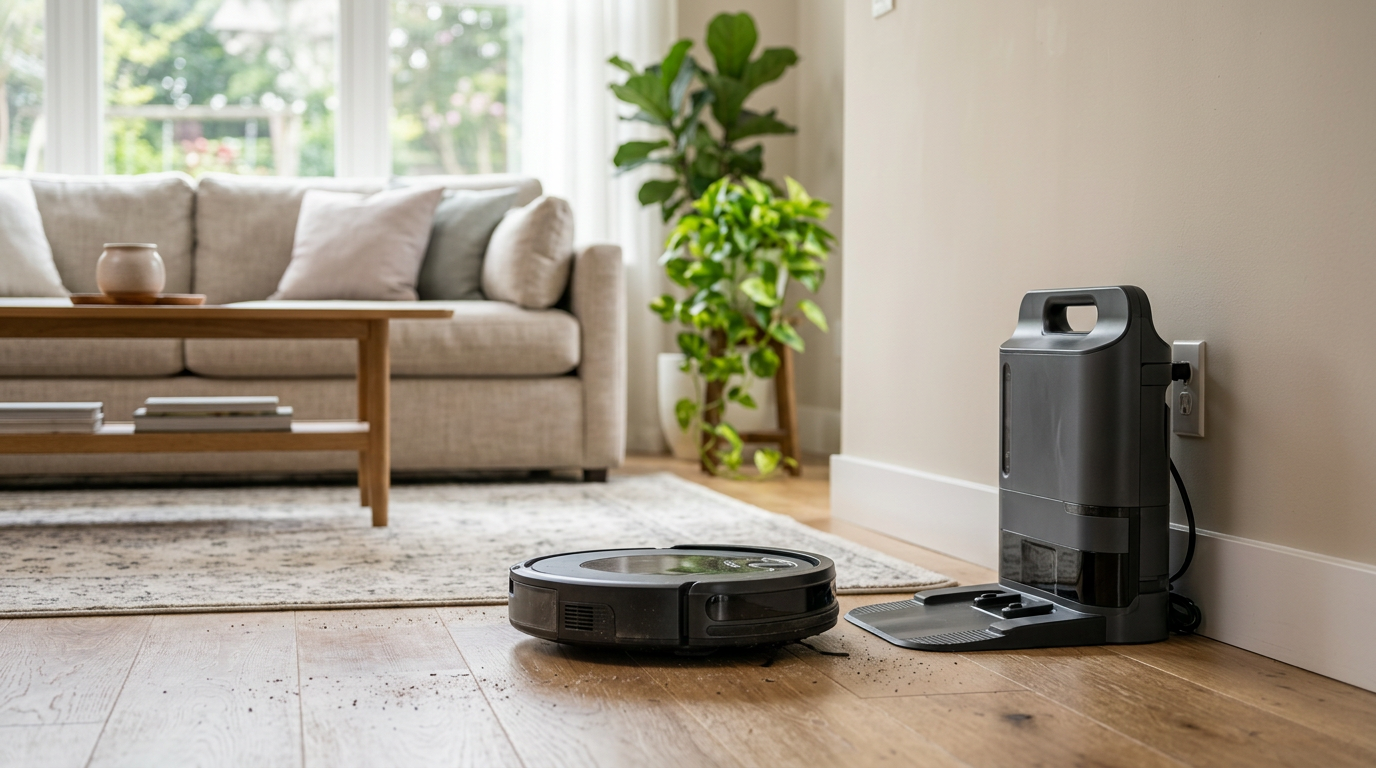
After evaluating the current landscape of automated floor care, it is clear that the premium segment is no longer the only place to find reliable self-emptying functionality. The Shark IQ Robot XL (RV1001AE) represents a strategic trade-off for homeowners who prioritize maintenance automation over the high-precision LiDAR navigation found in more expensive competitors. While it lacks the laser-guided finesse of a Roborock or the dual-brush systems of high-end Roombas, its bagless base design offers a distinct advantage in long-term operating costs.
Why trust this guide
Our analysis is built upon official manufacturer specifications, technical data sheets, and a synthesis of long-term owner reports. We benchmark these findings against category standards for suction, navigation logic, and maintenance requirements to provide an objective editorial perspective. This review was authored by the Vacuum Verdict team using established criteria for automated cleaning efficiency.
The Shark IQ Robot XL (RV1001AE) is a mid-range robot vacuum that brings the convenience of a 30-day self-empty base to a more accessible price point. By utilizing a bagless system, it stands out in a market where most competitors require proprietary bags. While its camera-based navigation is less sophisticated than LiDAR-equipped models, it offers systematic cleaning that far surpasses entry-level 'bump-and-run' robots.
Affordable self-emptying robot vacuum with row-by-row cleaning and a XL bagless base.
Pros
Bagless self-empty base holds ~30 days of debris
Solid value under $400
Row-by-row systematic cleaning
App + Alexa/Google integration
Cons
Navigation less reliable than LiDAR robots
Struggles with thick or plush carpet
No mop function
Key features
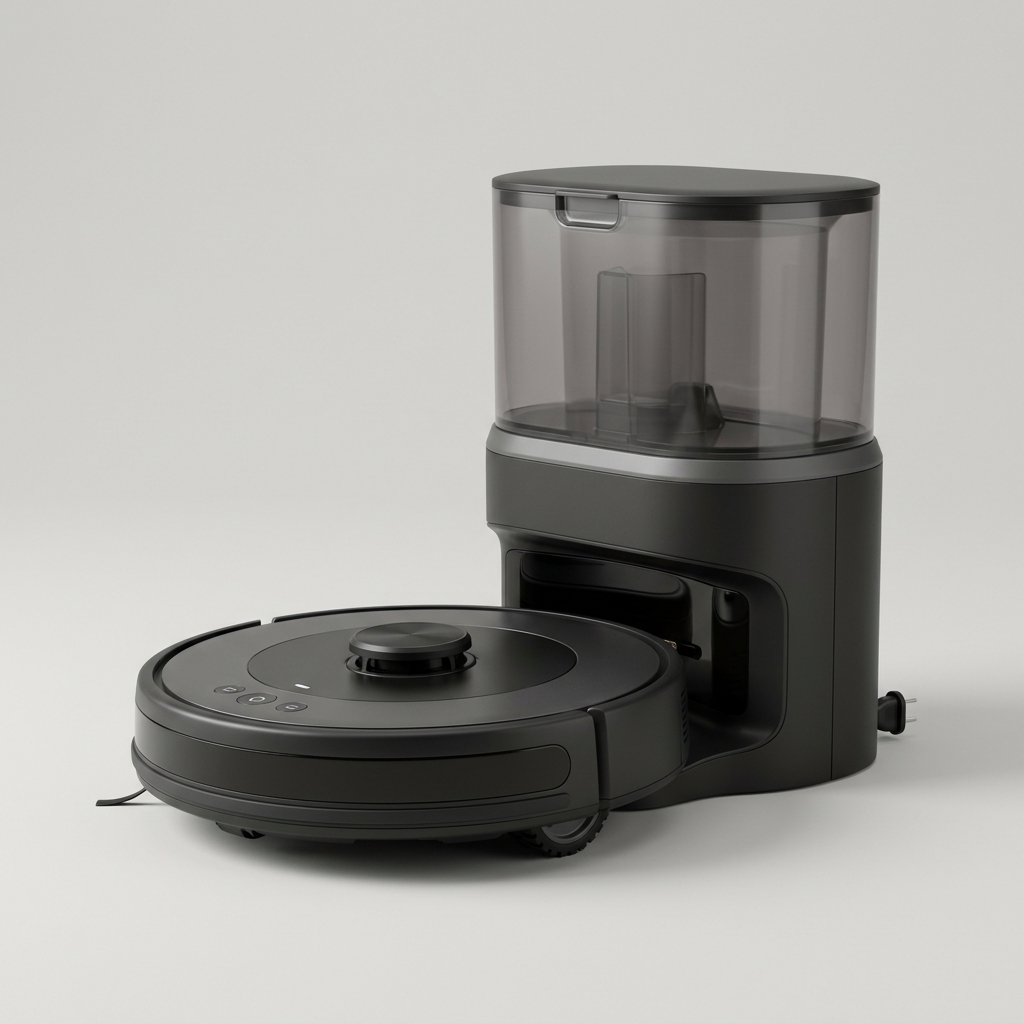
Self-emptying base with 30-day capacity
Bagless dust bin design
IQ Navigation with home mapping
Row-by-row cleaning paths
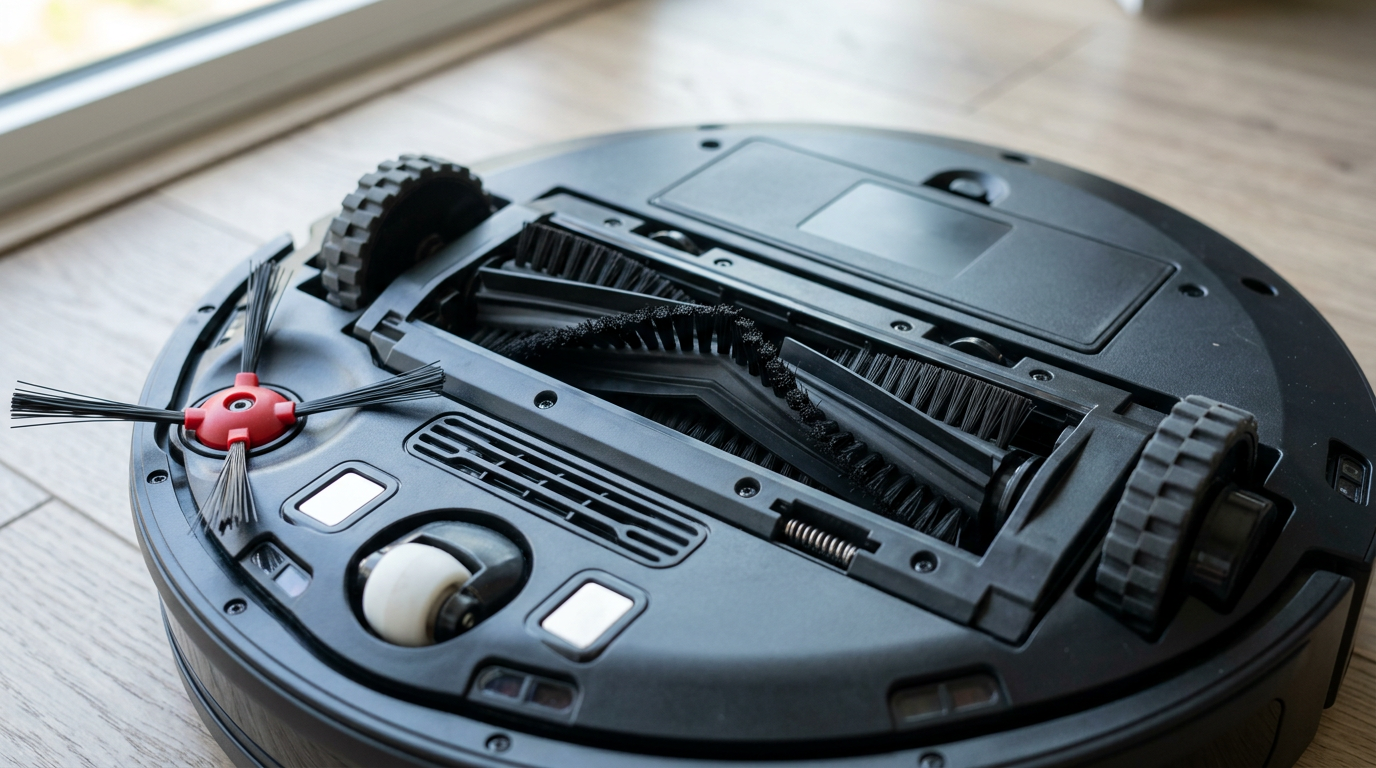
Self-cleaning brushroll
Wi-Fi connectivity for app control
Voice control via Alexa or Google Assistant
Recharge and Resume functionality
Cleaning Logic and Navigation
Unlike basic robots that bounce randomly off walls, the Shark IQ uses a systematic row-by-row cleaning pattern. This ensures more consistent coverage of a floor plan, though its reliance on an upward-facing optical sensor means it performs best in well-lit rooms. Compared to the LiDAR systems found on premium Roborock models, the Shark may take longer to localize itself and can be more prone to getting stuck in complex furniture layouts. However, for open-concept living spaces, the IQ navigation is more than sufficient for daily maintenance.
The Bagless Self-Empty Advantage
The standout feature of the RV1001AE is the XL self-empty base. While brands like iRobot typically require the purchase of disposable bags, Shark utilizes a bagless canister similar to a standard upright vacuum. This design significantly reduces the total cost of ownership over time. The base is rated to hold approximately 30 days of debris, though pet owners with heavy-shedding breeds may find they need to empty the canister more frequently than the advertised monthly interval.
Performance on Various Floor Types
In terms of raw pickup, the Shark IQ excels on hardwood, tile, and laminate. Its self-cleaning brushroll is particularly effective at preventing long hair from wrapping around the cylinder, a common pain point for pet owners. On low-pile carpets, it provides adequate agitation for surface debris. However, when compared to high-suction cordless alternatives like a Dyson, the Shark IQ struggles with deep-seated grit in thick or plush carpeting. It is best viewed as a tool for daily maintenance rather than deep-cleaning heavy rugs.
App Experience and Smart Integration
The SharkClean app allows users to initiate whole-home cleans, view a generated map of their space, and set recurring schedules. The integration with smart home ecosystems is seamless; a simple voice command to Alexa can start a cleaning session. While the mapping isn't as interactive as high-end 'no-go zone' digital barriers found in LiDAR robots, it provides enough feedback for the average user to ensure the robot has covered the intended areas.
Who should buy
This model is ideal for homeowners with primarily hard flooring or low-pile rugs who want to automate their daily cleaning without committing to the ongoing cost of vacuum bags. It is a strong choice for pet owners who deal with frequent hair shedding and want a self-cleaning brushroll to minimize manual maintenance.
Who should avoid
Users with very thick, plush carpeting or complex, dark-colored floor plans may find the navigation and suction power lacking. Additionally, if you require a robot that can mop as well as vacuum, this model will not meet your needs as it is a vacuum-only unit.
Value assessment
At a price point typically around $349, the Shark IQ Robot XL offers one of the best value-to-feature ratios in the robot vacuum market. By including a self-empty base and systematic mapping for under $400, it competes aggressively with entry-level models from iRobot and Eufy that often lack these automated features.
Final verdict
The Shark IQ Robot XL (RV1001AE) is a pragmatic choice for the budget-conscious consumer. It successfully bridges the gap between 'dumb' robots and ultra-premium automated stations. While you sacrifice some navigational precision compared to laser-guided units, the bagless self-empty base provides a level of convenience and cost-savings that is difficult to beat in the mid-range segment.
How long does the battery last on a single charge?
The Shark IQ Robot XL provides up to 60 minutes of runtime per charge. If the battery runs low before the job is finished, the robot is designed to return to its dock, recharge, and then resume cleaning where it left off.
Does this vacuum require special bags for the base?
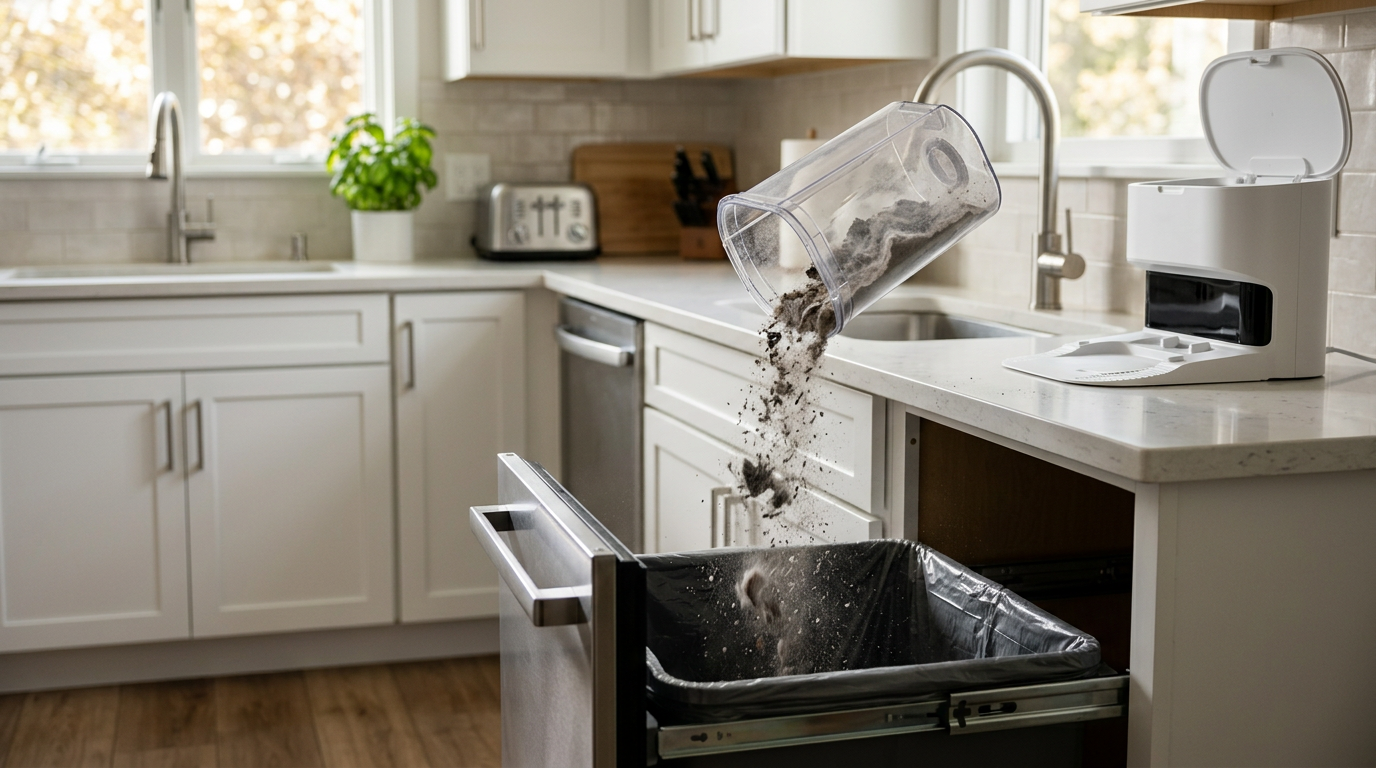
No, one of the primary benefits of this model is the bagless self-empty base. You simply detach the canister from the dock and empty it into the trash, eliminating the need to buy proprietary replacement bags.
Can it navigate in the dark?
Because the IQ navigation system relies on an optical sensor (camera), it requires at least a moderate amount of light to map and navigate effectively. It may struggle or fail to complete its path in completely dark rooms.